

Subscribe to Updates

    Get the latest creative news from FooBar about art, design and business.

    What's Hot

    Amazon may launch a marketplace where media sites can sell their content to AI companies

    February 10, 2026

    Salesforce Workers Circulate Open Letter Urging CEO Marc Benioff to Denounce ICE

    February 10, 2026

    An ice dance duo skated to AI music at the Olympics

    February 10, 2026
    Facebook Twitter Instagram
    • Tech
    • Gadgets
    • Spotlight
    • Gaming
    Facebook Twitter Instagram
    iGadgets TechiGadgets Tech
    Subscribe
    • Home
    • Gadgets
    • Insights
    • Apps

      Google Uses AI Searches To Detect If Someone Is In Crisis

      April 2, 2022

      Gboard Magic Wand Button Will Covert Your Text To Emojis

      April 2, 2022

      Android 10 & Older Devices Now Getting Automatic App Permissions Reset

      April 2, 2022

      Spotify Blend Update Increases Group Sizes, Adds Celebrity Blends

      April 2, 2022

      Samsung May Improve Battery Significantly With Galaxy Watch 5

      April 2, 2022
    • Gear
    • Mobiles
      1. Tech
      2. Gadgets
      3. Insights
      4. View All

      Scientists Discover a New Way To Stop Pain Nerves From Invading the Spine

      February 10, 2026

      The Two Traits Every Successful COVID Variant Must Have

      February 10, 2026

      This Brain Experiment Made People Choose Others Over Themselves

      February 10, 2026

      Storing the Internet in DNA? Scientists Say It’s Closer Than You Think

      February 10, 2026

      March Update May Have Weakened The Haptics For Pixel 6 Users

      April 2, 2022

      Project 'Diamond' Is The Galaxy S23, Not A Rollable Smartphone

      April 2, 2022

      The At A Glance Widget Is More Useful After March Update

      April 2, 2022

      Pre-Order The OnePlus 10 Pro For Just $1 In The US

      April 2, 2022

      Salesforce Workers Circulate Open Letter Urging CEO Marc Benioff to Denounce ICE

      February 10, 2026

      The Physics Behind the Quadruple Axel, the Most Difficult Jump in Figure Skating

      February 10, 2026

      RFK Jr. Says Americans Need More Protein. His Grok-Powered Food Website Disagrees

      February 10, 2026

      8 Best Space Heaters (2026): Tested, Measured, and Mistreated

      February 10, 2026

      Latest Huawei Mobiles P50 and P50 Pro Feature Kirin Chips

      January 15, 2021

      Samsung Galaxy M62 Benchmarked with Galaxy Note10’s Chipset

      January 15, 2021
      9.1

      Review: T-Mobile Winning 5G Race Around the World

      January 15, 2021
      8.9

      Samsung Galaxy S21 Ultra Review: the New King of Android Phones

      January 15, 2021
    • Computing
    iGadgets TechiGadgets Tech
    Home»Insights»The Physics Behind the Quadruple Axel, the Most Difficult Jump in Figure Skating
    Insights

    The Physics Behind the Quadruple Axel, the Most Difficult Jump in Figure Skating

    adminBy adminFebruary 10, 2026No Comments3 Mins Read
    Facebook Twitter Pinterest LinkedIn Tumblr Email
    The Physics Behind the Quadruple Axel, the Most Difficult Jump in Figure Skating
    Share
    Facebook Twitter LinkedIn Pinterest Email

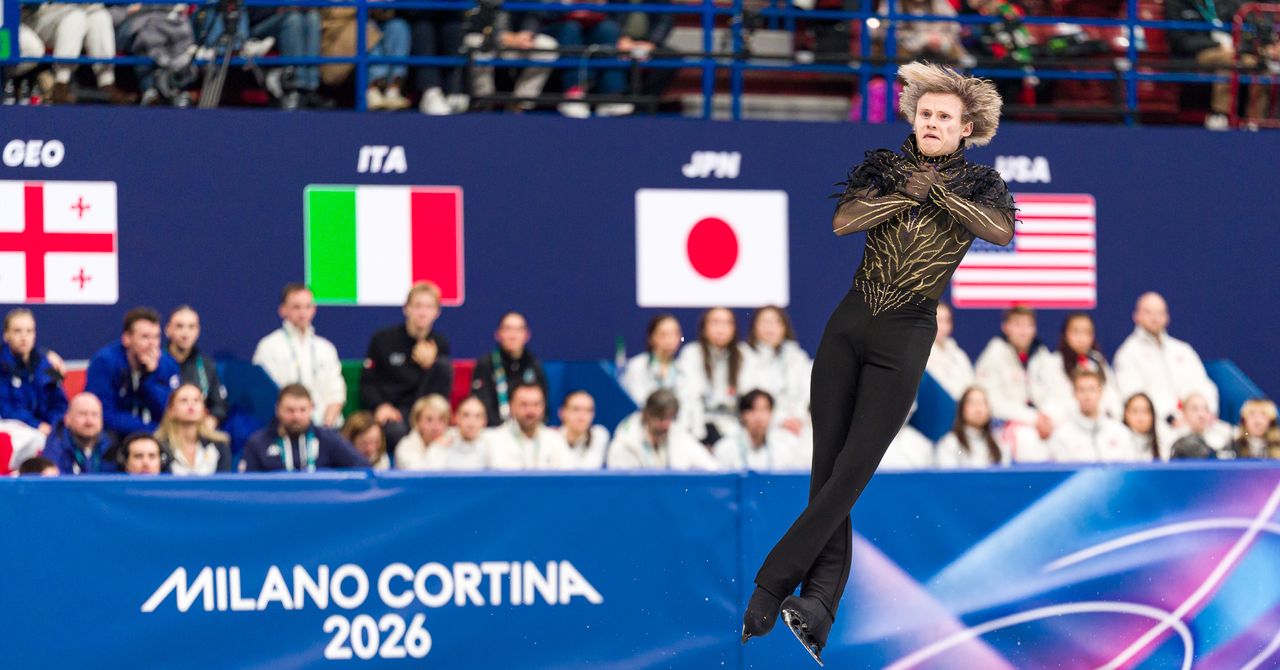
    In figure skating, the quadruple axel is generally considered the most difficult jump. Until 2022, when US skater Ilia Malinin—currently riding high as the “Quad God” at the 2026 Winter Olympics—started doing them, they seemed impossible. Landing one, naturally, can give an athlete a higher score. But for skaters who aren’t generational talents like Malinin, grasping exactly how to pull off a quadruple axel can be tricky. But physics can offer some clues.

    In 2024, the journal Sports Biomechanics published a study by Toin University researcher Seiji Hirosawa that brought science a little closer to understanding how quad axels work. One of the biggest factors? Getting high. Like 20 inches off the ground high.

    In the current scoring system of figure skating competitions, the jury, which in the case of the Milano Cortina Games consists of two technical specialists and a technical controller, assigns a score to each technical element, namely jumps, spins, and steps. However, the scores for the more difficult jumps, such as triple or quadruple jumps, are higher than those for the other technical elements, so skaters must perform them correctly in order to win competitions.

    Generally speaking the axel is the most technically complex of the jumps. There are three main types, each distinguished by their takeoffs: toe, blade, or edge. Most are named after the first person to do them; the axel is named after Norwegian skater Axel Paulsen. It is also the only one that involves a forward start, which leads the athlete to perform a half-turn more than other jumps. A simple axel, therefore, requires one and a half rotations to complete, while a quadruple axel requires four and a half rotations in the air.

    To shed light on the specific kinematic strategies used by athletes to perform the quadruple axel jump, Hirosawa’s study focused on footage of two skaters who attempted this jump in competition. Using data from what’s known as the Ice Scope tracking system, researchers analyzed several parameters: vertical height, horizontal distance, and skating speed before takeoff and after landing.

    Contrary to previous biomechanical studies, which suggested that jump height does not change significantly, Hirosawa’s study found that increasing jump height is crucial to successfully performing a quadruple axel jump. Both skaters, in fact, aimed to achieve significantly greater vertical heights in their attempts to perform this jump than in the triple axel.

    “This suggests a strategic shift toward increasing vertical height to master 4A [quadruple axel] jumps, in contrast to previous biomechanical research that did not emphasize vertical height,” the study concluded.

    Increased jump height, Hirosawa adds, provides increased flight time by allowing a large number of rotations around the longitudinal axis of the body. Short version: jump higher, turn more. “The results of this study provide valuable insights into the biomechanics of quadruple and triple axel jumps, update existing theories of figure skating research, and provide insights into training strategies for managing complex jumps,” the study concludes.

    Easier said than done—unless you’re Ilia Malinin.

    Science,2026 Winter Olympics2026 winter olympics,olympics,sports,physics,training#Physics #Quadruple #Axel #Difficult #Jump #Figure #Skating1770759823

    2026 winter olympics olympics Physics Sports training
    Share. Facebook Twitter Pinterest LinkedIn Tumblr Email
    admin
    • Website
    • Tumblr

    Related Posts

    Salesforce Workers Circulate Open Letter Urging CEO Marc Benioff to Denounce ICE

    February 10, 2026

    An ice dance duo skated to AI music at the Olympics

    February 10, 2026

    RFK Jr. Says Americans Need More Protein. His Grok-Powered Food Website Disagrees

    February 10, 2026
    Add A Comment

    Leave A Reply Cancel Reply

    Editors Picks

    FedEx tests how far AI can go in tracking and returns management

    February 3, 2026

    McKinsey tests AI chatbot in early stages of graduate recruitment

    January 15, 2026

    Bosch’s €2.9 billion AI investment and shifting manufacturing priorities

    January 8, 2026
    8.5

    Apple Planning Big Mac Redesign and Half-Sized Old Mac

    January 5, 2021
    Top Reviews
    9.1

    Review: T-Mobile Winning 5G Race Around the World

    By admin
    8.9

    Samsung Galaxy S21 Ultra Review: the New King of Android Phones

    By admin
    8.9

    Xiaomi Mi 10: New Variant with Snapdragon 870 Review

    By admin
    Advertisement
    Demo
    iGadgets Tech
    Facebook Twitter Instagram Pinterest Vimeo YouTube
    • Home
    • Tech
    • Gadgets
    • Mobiles
    • Our Authors
    © 2026 ThemeSphere. Designed by WPfastworld.

    Type above and press Enter to search. Press Esc to cancel.