

Subscribe to Updates

    Get the latest creative news from FooBar about art, design and business.

    What's Hot

    Anthropic closes in on $20B round

    February 10, 2026

    Hacked, leaked, exposed: Why you should never use stalkerware apps

    February 10, 2026

    The first signs of burnout are coming from the people who embrace AI the most

    February 10, 2026
    Facebook Twitter Instagram
    • Tech
    • Gadgets
    • Spotlight
    • Gaming
    Facebook Twitter Instagram
    iGadgets TechiGadgets Tech
    Subscribe
    • Home
    • Gadgets
    • Insights
    • Apps

      Google Uses AI Searches To Detect If Someone Is In Crisis

      April 2, 2022

      Gboard Magic Wand Button Will Covert Your Text To Emojis

      April 2, 2022

      Android 10 & Older Devices Now Getting Automatic App Permissions Reset

      April 2, 2022

      Spotify Blend Update Increases Group Sizes, Adds Celebrity Blends

      April 2, 2022

      Samsung May Improve Battery Significantly With Galaxy Watch 5

      April 2, 2022
    • Gear
    • Mobiles
      1. Tech
      2. Gadgets
      3. Insights
      4. View All

      Scientists Close In on Breakthrough Vaccine for a Global Health Threat

      February 10, 2026

      Common Bacteria Found in the Eye Linked to Alzheimer’s Disease

      February 10, 2026

      Scientists Uncover the Lost Island That Gave Birth to Karnak Temple

      February 10, 2026

      A Jaw-Dropping Space View of Italy Hosting the Winter Olympics

      February 10, 2026

      March Update May Have Weakened The Haptics For Pixel 6 Users

      April 2, 2022

      Project 'Diamond' Is The Galaxy S23, Not A Rollable Smartphone

      April 2, 2022

      The At A Glance Widget Is More Useful After March Update

      April 2, 2022

      Pre-Order The OnePlus 10 Pro For Just $1 In The US

      April 2, 2022

      OpenAI Abandons ‘io’ Branding for Its AI Hardware

      February 10, 2026

      Need a Splashy Last Minute Valentine’s Day Gift? Try This Dessert Box

      February 10, 2026

      Meta Goes to Trial in a New Mexico Child Safety Case. Here’s What’s at Stake

      February 10, 2026

      This Startup Thinks It Can Make Rocket Fuel From Water. Stop Laughing

      February 9, 2026

      Latest Huawei Mobiles P50 and P50 Pro Feature Kirin Chips

      January 15, 2021

      Samsung Galaxy M62 Benchmarked with Galaxy Note10’s Chipset

      January 15, 2021
      9.1

      Review: T-Mobile Winning 5G Race Around the World

      January 15, 2021
      8.9

      Samsung Galaxy S21 Ultra Review: the New King of Android Phones

      January 15, 2021
    • Computing
    iGadgets TechiGadgets Tech
    Home»Spotlight»The first signs of burnout are coming from the people who embrace AI the most
    Spotlight

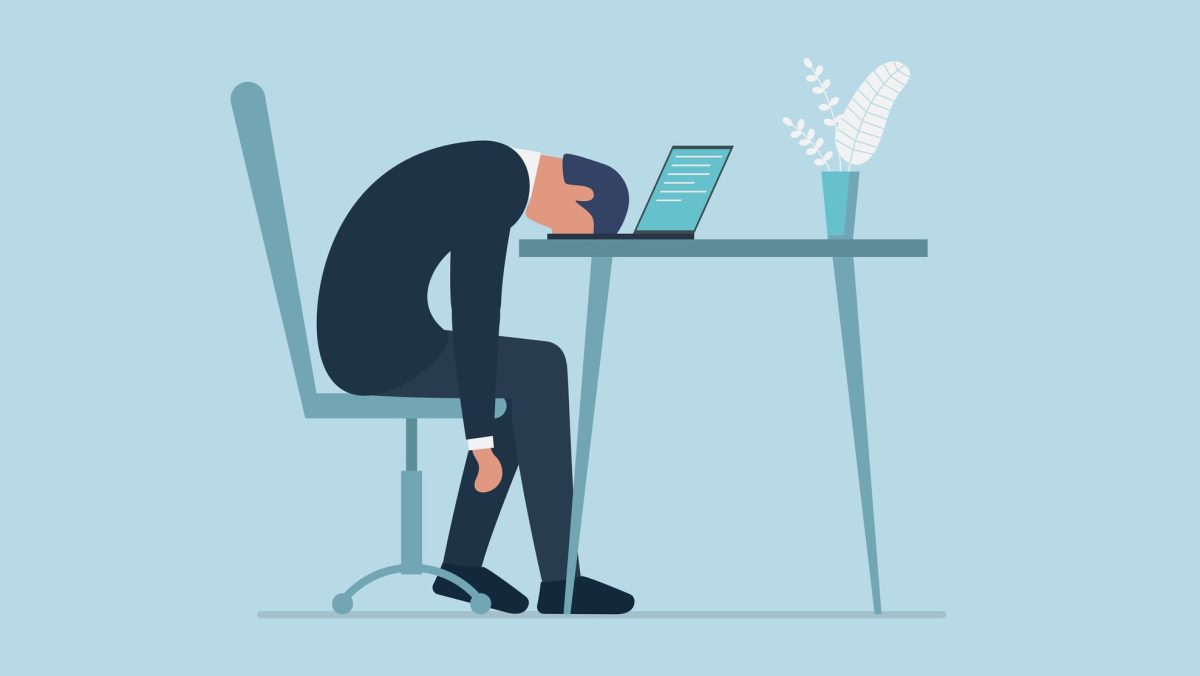
    The first signs of burnout are coming from the people who embrace AI the most

    adminBy adminFebruary 10, 2026No Comments3 Mins Read
    Facebook Twitter Pinterest LinkedIn Tumblr Email
    The first signs of burnout are coming from the people who embrace AI the most
    Share
    Facebook Twitter LinkedIn Pinterest Email

    The most seductive narrative in American work culture right now isn’t that AI will take your job. It’s that AI will save you from it.

    That’s the version the industry has spent the last three years selling to millions of nervous people who are eager to buy it. Yes, some white-collar jobs will disappear. But for most other roles, the argument goes, AI is a force multiplier. You become a more capable, more indispensable lawyer, consultant, writer, coder, financial analyst — and so on. The tools work for you, you work less hard, everybody wins.

    But a new study published in Harvard Business Review follows that premise to its actual conclusion, and what it finds there isn’t a productivity revolution. It finds companies are at risk of becoming burnout machines.

    As part of what they describe as “in-progress research,” UC Berkeley researchers spent eight months inside a 200-person tech company watching what happened when workers genuinely embraced AI. What they found across more than 40 “in-depth” interviews was that nobody was pressured at this company. Nobody was told to hit new targets. People just started doing more because the tools made more feel doable. But because they could do these things, work began bleeding into lunch breaks and late evenings. The employees’ to-do lists expanded to fill every hour that AI freed up, and then kept going.

    As one engineer told them, “You had thought that maybe, oh, because you could be more productive with AI, then you save some time, you can work less. But then really, you don’t work less. You just work the same amount or even more.”

    Over on the tech industry forum Hacker News, one commenter had the same reaction, writing, “I feel this. Since my team has jumped into an AI everything working style, expectations have tripled, stress has tripled and actual productivity has only gone up by maybe 10%. It feels like leadership is putting immense pressure on everyone to prove their investment in AI is worth it and we all feel the pressure to try to show them it is while actually having to work longer hours to do so.”

    It’s fascinating and also alarming. The argument about AI and work has always stalled on the same question — are the gains real? But too few have stopped to ask what happens when they are.

    Techcrunch event

    Boston, MA
    |
    June 23, 2026

    The researchers’ new findings aren’t entirely novel. A separate trial last summer found experienced developers using AI tools took 19% longer on tasks while believing they were 20% faster. Around the same time, a National Bureau of Economic Research study tracking AI adoption across thousands of workplaces found that productivity gains amounted to just 3% in time savings, with no significant impact on earnings or hours worked in any occupation. Both studies have gotten picked apart.

    This one may be harder to dismiss because it doesn’t challenge the premise that AI can augment what employees can do on their own. It confirms it, then shows where all that augmentation actually leads, which is “fatigue, burnout, and a growing sense that work is harder to step away from, especially as organizational expectations for speed and responsiveness rise,” according to the researchers.

    The industry bet that helping people do more would be the answer to everything. It may turn out to be the beginning of a different problem entirely.

    AI#signs #burnout #coming #people #embrace1770708044

    burnout Coming embrace People signs
    Share. Facebook Twitter Pinterest LinkedIn Tumblr Email
    admin
    • Website
    • Tumblr

    Related Posts

    Anthropic closes in on $20B round

    February 10, 2026

    Hacked, leaked, exposed: Why you should never use stalkerware apps

    February 10, 2026

    Workday CEO Eschenbach departs, with co-founder Aneel Bhusri returning as CEO 

    February 10, 2026
    Add A Comment

    Leave A Reply Cancel Reply

    Editors Picks

    FedEx tests how far AI can go in tracking and returns management

    February 3, 2026

    McKinsey tests AI chatbot in early stages of graduate recruitment

    January 15, 2026

    Bosch’s €2.9 billion AI investment and shifting manufacturing priorities

    January 8, 2026
    8.5

    Apple Planning Big Mac Redesign and Half-Sized Old Mac

    January 5, 2021
    Top Reviews
    9.1

    Review: T-Mobile Winning 5G Race Around the World

    By admin
    8.9

    Samsung Galaxy S21 Ultra Review: the New King of Android Phones

    By admin
    8.9

    Xiaomi Mi 10: New Variant with Snapdragon 870 Review

    By admin
    Advertisement
    Demo
    iGadgets Tech
    Facebook Twitter Instagram Pinterest Vimeo YouTube
    • Home
    • Tech
    • Gadgets
    • Mobiles
    • Our Authors
    © 2026 ThemeSphere. Designed by WPfastworld.

    Type above and press Enter to search. Press Esc to cancel.