

Subscribe to Updates

    Get the latest creative news from FooBar about art, design and business.

    What's Hot

    Meta Goes to Trial in a New Mexico Child Safety Case. Here’s What’s at Stake

    February 10, 2026

    Bluesky finally adds drafts

    February 10, 2026

    Waymo is testing driverless robotaxis in Nashville

    February 9, 2026
    Facebook Twitter Instagram
    • Tech
    • Gadgets
    • Spotlight
    • Gaming
    Facebook Twitter Instagram
    iGadgets TechiGadgets Tech
    Subscribe
    • Home
    • Gadgets
    • Insights
    • Apps

      Google Uses AI Searches To Detect If Someone Is In Crisis

      April 2, 2022

      Gboard Magic Wand Button Will Covert Your Text To Emojis

      April 2, 2022

      Android 10 & Older Devices Now Getting Automatic App Permissions Reset

      April 2, 2022

      Spotify Blend Update Increases Group Sizes, Adds Celebrity Blends

      April 2, 2022

      Samsung May Improve Battery Significantly With Galaxy Watch 5

      April 2, 2022
    • Gear
    • Mobiles
      1. Tech
      2. Gadgets
      3. Insights
      4. View All

      A Simple Chemical Tweak Unlocks One of Quantum Computing’s Holy Grails

      February 9, 2026

      Asteroid Bennu Just Changed the Origin Story of Life

      February 9, 2026

      Why Math Is Harder for Some Children – and It’s Not About Numbers

      February 9, 2026

      A Mysterious Gut Microbe Keeps Appearing in Healthy People Worldwide

      February 9, 2026

      March Update May Have Weakened The Haptics For Pixel 6 Users

      April 2, 2022

      Project 'Diamond' Is The Galaxy S23, Not A Rollable Smartphone

      April 2, 2022

      The At A Glance Widget Is More Useful After March Update

      April 2, 2022

      Pre-Order The OnePlus 10 Pro For Just $1 In The US

      April 2, 2022

      Meta Goes to Trial in a New Mexico Child Safety Case. Here’s What’s at Stake

      February 10, 2026

      This Startup Thinks It Can Make Rocket Fuel From Water. Stop Laughing

      February 9, 2026

      Bryte Balance Pro Smart Mattress Review: Sleeping Is Believing

      February 9, 2026

      Save $100 On Our Favorite Home Printer

      February 9, 2026

      Latest Huawei Mobiles P50 and P50 Pro Feature Kirin Chips

      January 15, 2021

      Samsung Galaxy M62 Benchmarked with Galaxy Note10’s Chipset

      January 15, 2021
      9.1

      Review: T-Mobile Winning 5G Race Around the World

      January 15, 2021
      8.9

      Samsung Galaxy S21 Ultra Review: the New King of Android Phones

      January 15, 2021
    • Computing
    iGadgets TechiGadgets Tech
    Home»Insights»AI Is Here to Replace Nuclear Treaties. Scared Yet?
    Insights

    AI Is Here to Replace Nuclear Treaties. Scared Yet?

    adminBy adminFebruary 9, 2026No Comments4 Mins Read
    Facebook Twitter Pinterest LinkedIn Tumblr Email
    AI Is Here to Replace Nuclear Treaties. Scared Yet?
    Share
    Facebook Twitter LinkedIn Pinterest Email

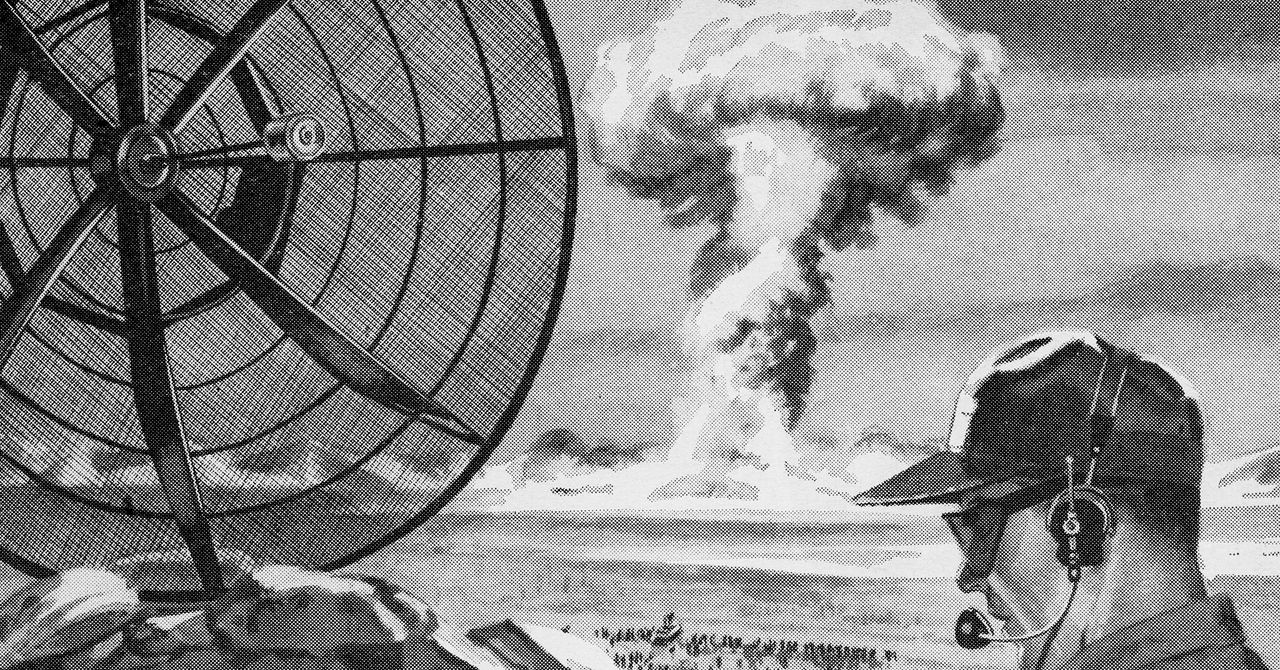
    For half a century, the world’s nuclear powers relied on an intricate and complex series of treaties that slowly and steadily reduced the number of nuclear weapons on the planet. Those treaties are gone now, and it doesn’t appear that they’ll be coming back anytime soon. As a stopgap measure, researchers and scientists are suggesting a bold and weird path forward: using a system of satellites and artificial intelligence to monitor the world’s nukes.

    “To be clear, this is plan B,” Matt Korda, an associate director at the Federation of American Scientists, tells WIRED. Korda has written a report at FAS that outlines a possible future for arms control in a world where all the old treaties have died. In Inspections Without Inspectors, Korda and coauthor Igor Morić describe a new way to monitor the world’s nuclear weapons they call “cooperative technical means.” In short, satellites and other remote sensing technology would do the work that scientists and inspectors once did on the ground.

    Korda says AI could help this process. “Something that artificial intelligence is good at is pattern recognition,” he says. “If you had a large enough and well-curated dataset, you could, in theory, train a model that’s able to identify both minute changes at particular locations but also potentially identify individual weapon systems.”

    New START, an Obama-era treaty that limited the amount of nuclear weapons the United States and Russia deployed, expired last week, on February 5. (Don’t worry, the countries reportedly still plan to maintain the status quo—for now.) Both countries are spending billions to build new and different kinds of nuclear weapons. China is building new intercontinental ballistic missile silos. As America withdraws from the world stage, its nuclear vouchsafes mean less, and countries like South Korea are eyeing the bomb. Trust between nations is at an all-time low.

    In this environment, Korda and Morić’s pitch is to use existing infrastructure to negotiate and enforce new treaties. No country wants “on-site inspectors roaming around on their territory,” Korda says. So, failing that, the world’s nuclear powers can use satellites and other remote sensors to monitor the world’s nuclear weapons remotely. AI and machine-learning systems would then take that data, sort it, and turn it over for human review.

    It’s an imperfect proposal, but it’s better than the literal nothing the world has now.

    For decades, the US and Russia have worked to reduce the amount of nuclear weapons in the world. In 1985 there were more than 60,000 nukes. That number is down to just over 12,000. Eliminating roughly 50,000 nuclear weapons took decades of dedicated work from politicians, diplomats, and scientists. The death of New START represents the refutation of those decades of work. These on-site inspections fostered trust between Russia and the US and laid the groundwork for a drawdown of tensions during the Cold War. That era is over now, replaced by an age of acrimony and a renewed nuclear arms race.

    “The idea we had in this paper was, what if there was a sort of middle ground between having no arms control and just spying, and having arms control with intrusive on-site inspections which may no longer be politically viable?” Korda says. ”What can we do remotely if the countries cooperate with each other to facilitate a remote verification regime?”

    Korda and Morić’s proposal is to use the web of existing satellites to monitor intercontinental ballistic missile (ICBM) silos, mobile rocket launchers, and plutonium pit production sites. One big hurdle is that a good implementation of a remotely enforced treaty regime would require a certain level of cooperation. The nuclear powers would still need to agree to participate.

    Security,Security / National Security,Security / Security News,Business / Artificial Intelligence,Stopgapsartificial intelligence,satellites,national security,machine learning,space,russia,china,nuclear war,nuclear#Replace #Nuclear #Treaties #Scared1770657303

    artificial intelligence china machine learning national security Nuclear nuclear war Russia satellites Space
    Share. Facebook Twitter Pinterest LinkedIn Tumblr Email
    admin
    • Website
    • Tumblr

    Related Posts

    Meta Goes to Trial in a New Mexico Child Safety Case. Here’s What’s at Stake

    February 10, 2026

    This Startup Thinks It Can Make Rocket Fuel From Water. Stop Laughing

    February 9, 2026

    Bryte Balance Pro Smart Mattress Review: Sleeping Is Believing

    February 9, 2026
    Add A Comment

    Leave A Reply Cancel Reply

    Editors Picks

    FedEx tests how far AI can go in tracking and returns management

    February 3, 2026

    McKinsey tests AI chatbot in early stages of graduate recruitment

    January 15, 2026

    Bosch’s €2.9 billion AI investment and shifting manufacturing priorities

    January 8, 2026
    8.5

    Apple Planning Big Mac Redesign and Half-Sized Old Mac

    January 5, 2021
    Top Reviews
    9.1

    Review: T-Mobile Winning 5G Race Around the World

    By admin
    8.9

    Samsung Galaxy S21 Ultra Review: the New King of Android Phones

    By admin
    8.9

    Xiaomi Mi 10: New Variant with Snapdragon 870 Review

    By admin
    Advertisement
    Demo
    iGadgets Tech
    Facebook Twitter Instagram Pinterest Vimeo YouTube
    • Home
    • Tech
    • Gadgets
    • Mobiles
    • Our Authors
    © 2026 ThemeSphere. Designed by WPfastworld.

    Type above and press Enter to search. Press Esc to cancel.