


An insurrectionist robot unleashed by a mad inventor in Fritz Lang’s Metropolis. HAL 9000 sabotaging a manned mission to Jupiter in 2001: A Space Odyssey. Skynet, the self-aware global defense network that seeks to exterminate humanity throughout the Terminator franchise.
Hollywood has never wanted for audacious depictions of artificial intelligence or the ways in which it could alter the fate of our species. But the rapid integration of AI into the studio system and our now unavoidable interactions with it have severely compromised the genre, not to mention film as a medium.
On the one hand, it’s perfectly understandable that screenwriters and studios would return to the subject of AI in recent years, particularly since it provokes such fierce debate within the industry. (A major cause of the 2023 labor strikes was the threat that AI posed to creative jobs.) Still, the novelty faded fast.
Consider M3GAN, a campy horror flick about an artificially intelligent doll who starts killing people, released just a week after the debut of ChatGPT in 2022: It was a surprise box-office smash. Last year’s sequel? A critical and commercial flop. Mission: Impossible—Dead Reckoning (2023) introduced a rogue AI called The Entity as a final adversary for Ethan Hunt and crew. The resolution of its cliff-hanger ending and blockbuster finale for the spy saga, Mission: Impossible—The Final Reckoning (2025), underperformed its predecessor, and neither quite justified their expense.
The latest AI-themed bomb is Mercy, a crime thriller starring Chris Pratt as an LAPD detective strapped into a chair who has 90 minutes to pull enough evidence from security cameras and phone records to convince a stern judge bot (Rebecca Ferguson) that he didn’t kill his wife—or else face instant execution. Despite releasing in January, one reviewer has already declared it “the worst movie of 2026,” and judging by its mediocre ticket sales, many US moviegoers decided as much from the trailer alone. It’s almost as if nobody cared whether a fictional software program might be capable of sparing a life when real health insurance claims are being denied by algorithms already.
For those few who did see it, Mercy fell far short of its dystopian premise, failing to grapple with the ethics of such a surveillance state and its medieval-modern justice system in favor of cheap relativism. Spoiler: Pratt’s character and the AI ultimately team up to stop the real bad guys as the bot begins to show signs of unrobotic emotion and doubt, which manifest as glitches in the program. By the end, Pratt is delivering a true groaner of a we’re-not-so-different speech to the holographic Ferguson. “Human or AI, we all make mistakes,” he says. “And we learn.”
While the naive belief in AI’s progress toward enlightenment feels dated on arrival, you are also reminded of how prophetically cynical something like Paul Verhoeven’s RoboCop, now almost 40 years old, was in addressing a future of cybernetic fascism. Contrary to that kind of pitch-black, violent satire, the current trend seems to be propagandistic narratives about how AIs are scary at first but secretly good. (See also: Tron: Ares, Disney’s wildly misguided attempt to leverage an old IP for the era of large language models, another cinematic train wreck of 2025.)
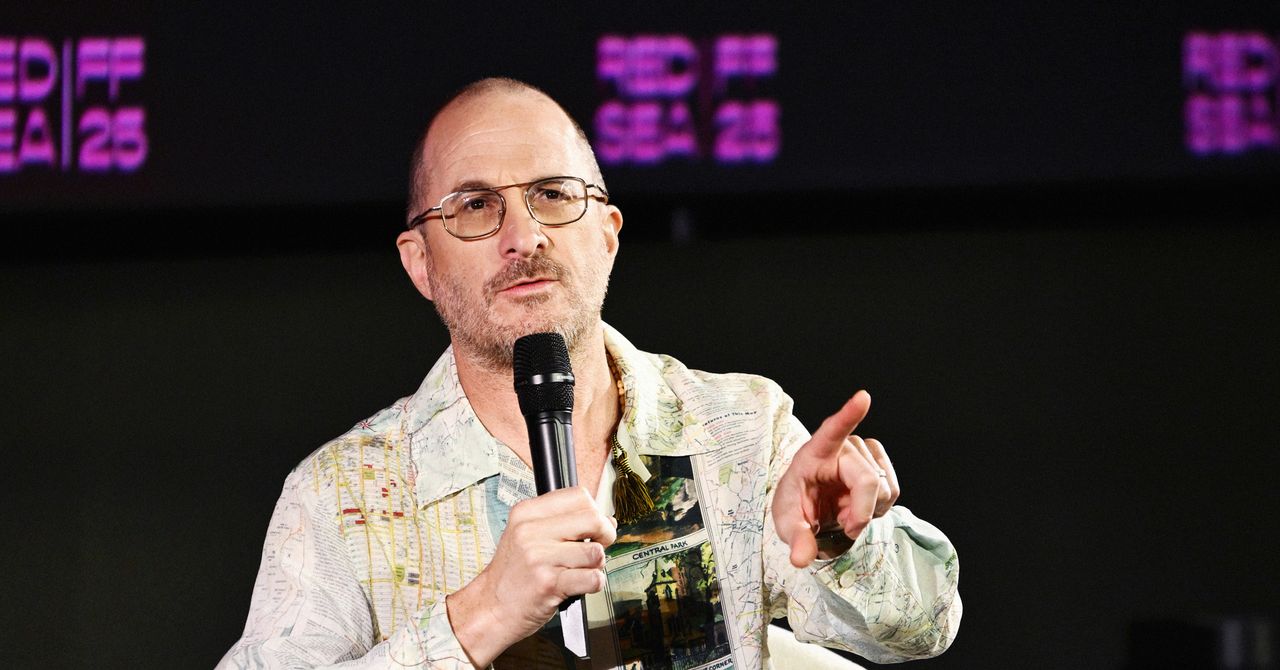
In fact, the insistence on some inborn value or honor to artificial intelligence may be the driving force behind the new Time Studios web series On This Day…1776. Conceived as a blow-by-blow account of the year the American colonies declared independence from the British crown, it consists of short YouTube videos generated in part by Google DeepMind (though actual actors supply voiceovers). The project has drawn serious attention and scorn because acclaimed director Darren Aronofsky served as executive producer via his creative studio Primordial Soup, launched last year in a partnership with Google to explore the applications of AI in filmmaking. It probably doesn’t help that Aronofsky and company are valorizing the country’s founders in the same aesthetic that has defined the authoritarian meme culture of Donald Trump’s second term.
Culture,Culture / Movies,Bot or Nothollywood,artificial intelligence,movies,film#Hollywood #Losing #Audiences #Fatigue1770287688
