

Subscribe to Updates

    Get the latest creative news from FooBar about art, design and business.

    What's Hot

    An AI Toy Exposed 50,000 Logs of Its Chats With Kids to Anyone With a Gmail Account

    January 29, 2026

    I built marshmallow castles in Google’s new AI world generator

    January 29, 2026

    Nvidia’s Campaign to Sell AI Chips to China Finally Pays Off

    January 29, 2026
    Facebook Twitter Instagram
    • Tech
    • Gadgets
    • Spotlight
    • Gaming
    Facebook Twitter Instagram
    iGadgets TechiGadgets Tech
    Subscribe
    • Home
    • Gadgets
    • Insights
    • Apps

      Google Uses AI Searches To Detect If Someone Is In Crisis

      April 2, 2022

      Gboard Magic Wand Button Will Covert Your Text To Emojis

      April 2, 2022

      Android 10 & Older Devices Now Getting Automatic App Permissions Reset

      April 2, 2022

      Spotify Blend Update Increases Group Sizes, Adds Celebrity Blends

      April 2, 2022

      Samsung May Improve Battery Significantly With Galaxy Watch 5

      April 2, 2022
    • Gear
    • Mobiles
      1. Tech
      2. Gadgets
      3. Insights
      4. View All

      Donut-Shaped Light Could Make Wireless Signals Far More Reliable

      January 29, 2026

      Insurers betting big on AI: Accenture

      January 29, 2026

      A Strange Ice Process May Be Making Europa’s Ocean Habitable

      January 29, 2026

      Deep Space Is Quietly Building the Ingredients for Life

      January 29, 2026

      March Update May Have Weakened The Haptics For Pixel 6 Users

      April 2, 2022

      Project 'Diamond' Is The Galaxy S23, Not A Rollable Smartphone

      April 2, 2022

      The At A Glance Widget Is More Useful After March Update

      April 2, 2022

      Pre-Order The OnePlus 10 Pro For Just $1 In The US

      April 2, 2022

      An AI Toy Exposed 50,000 Logs of Its Chats With Kids to Anyone With a Gmail Account

      January 29, 2026

      Nvidia’s Campaign to Sell AI Chips to China Finally Pays Off

      January 29, 2026

      This Chinese Startup Wants to Build a New Brain-Computer Interface—No Implant Required

      January 29, 2026

      Trump Admin's Plans for $500 Million USIP Building May Violate Court Order, Say Former Workers

      January 29, 2026

      Latest Huawei Mobiles P50 and P50 Pro Feature Kirin Chips

      January 15, 2021

      Samsung Galaxy M62 Benchmarked with Galaxy Note10’s Chipset

      January 15, 2021
      9.1

      Review: T-Mobile Winning 5G Race Around the World

      January 15, 2021
      8.9

      Samsung Galaxy S21 Ultra Review: the New King of Android Phones

      January 15, 2021
    • Computing
    iGadgets TechiGadgets Tech
    Home»Insights»This Chinese Startup Wants to Build a New Brain-Computer Interface—No Implant Required
    Insights

    This Chinese Startup Wants to Build a New Brain-Computer Interface—No Implant Required

    adminBy adminJanuary 29, 2026No Comments4 Mins Read
    Facebook Twitter Pinterest LinkedIn Tumblr Email
    This Chinese Startup Wants to Build a New Brain-Computer Interface—No Implant Required
    Share
    Facebook Twitter LinkedIn Pinterest Email

    China’s brain-computer interface industry is growing fast, and the newest company to emerge from the country is aiming to access the brain without the use of invasive implants.

    Gestala, newly founded in Chengdu with offices in Shanghai and Hong Kong, plans to use ultrasound technology to stimulate—and eventually read from—the brain, according to CEO and cofounder Phoenix Peng.

    It’s the second company to launch in recent weeks with the aim of tapping into the brain with ultrasound. Earlier this month, OpenAI announced a major investment in brain-computer interface startup Merge Labs, cofounded by its CEO, Sam Altman, along with other tech executives and members of Forest Neurotech, a California-based nonprofit research organization.

    Best known as a type of medical test, ultrasound uses high-frequency sound waves to create images of internal organs and to visualize blood flow. One of the most common uses of ultrasound is to monitor the development of a fetus during pregnancy. But researchers have also been interested in ultrasound’s potential to treat diseases, not just diagnose them.

    Depending on the intensity of the ultrasound, it can be used to destroy abnormal tissue such as blood clots or cancer, or modulate neural activity without the need for surgery. Focused ultrasound treatments are already approved for Parkinson’s disease, uterine fibroids, and certain tumors.

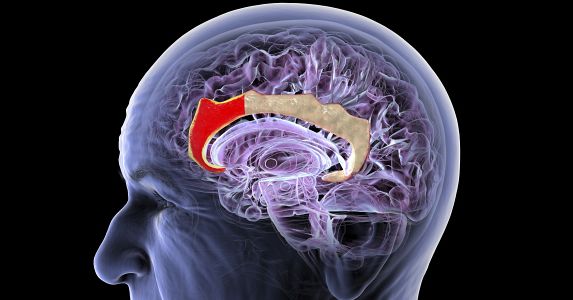
    Initially, Gestala wants to build a device that delivers focused ultrasound to the brain to treat chronic pain. Pilot studies have shown that stimulating the anterior cingulate cortex, a brain region involved in the emotional component of pain, can reduce pain intensity in people for up to a week.

    Peng says Gestala’s first-generation device will be a stationary benchtop machine. Patients would need to come into a clinic to receive the treatment. The company is in discussion with some hospitals in China that are interested in testing the technology, Peng says.

    Gestala’s second-generation device will be a wearable helmet that will allow patients to use it at home under the guidance of a physician. Beyond chronic pain, Gestala wants to gradually expand to other indications, including depression and other mental illnesses, as well as stroke rehabilitation, Alzheimer’s disease, and sleep disorders.

    Like Altman’s Merge Labs, Gestala ultimately wants to use ultrasound to read the brain as well. Ideally, a device would detect brain states associated with chronic pain or depression, for instance, and deliver therapeutic stimulation to the precise area of the brain with abnormal activity. Peng says the goal is not “enhancement” of humans but healthier neural functions.

    Most brain-computer interfaces, including Neuralink’s, work by picking up electrical signals generated by neurons. An ultrasound-based interface would instead measure changes in the brain’s blood flow.

    Previously, Peng was the CEO and cofounder of Shanghai-based NeuroXess, which is developing a brain implant that reads electrical signals from neurons. NeuroXess is aiming to allow paralyzed individuals to control digital devices and produce synthesized speech with their thoughts. Peng left NeuroXess last year to work on Gestala.

    “The electrical brain-computer interface only records from a part of the brain; for instance, the motor cortex,” Peng says. “Ultrasound, it seems like, can provide us with the capability to access the whole brain.”

    Gestala’s other cofounder is Tianqiao Chen, founder of the online gaming company Shanda Interactive Entertainment. Chen also established the California-based nonprofit Tianqiao and Chrissy Chen Institute, which supports neuroscience research.

    The company’s name comes from Gestalt psychology, a German school of thought associated with the adage “the whole is greater than the sum of its parts.”

    Maximilian Riesenhuber, a professor of neuroscience and codirector of the Center for Neuroengineering at Georgetown University, says extracting information from the brain with ultrasound is much more ambitious than delivering targeted ultrasound to a particular part of it. The skull weakens and distorts ultrasound signals, and so far, researchers have been able to interpret neural activity with ultrasound only by removing a portion of the skull to create a “window” into the brain.

    Science,Science / Biotech,Brain Readingscience,biotech,china,brain-computer interfaces#Chinese #Startup #Build #BrainComputer #InterfaceNo #Implant #Required1769701845

    biotech brain-computer interfaces china science
    Share. Facebook Twitter Pinterest LinkedIn Tumblr Email
    admin
    • Website
    • Tumblr

    Related Posts

    An AI Toy Exposed 50,000 Logs of Its Chats With Kids to Anyone With a Gmail Account

    January 29, 2026

    Nvidia’s Campaign to Sell AI Chips to China Finally Pays Off

    January 29, 2026

    Trump Admin's Plans for $500 Million USIP Building May Violate Court Order, Say Former Workers

    January 29, 2026
    Add A Comment

    Leave A Reply Cancel Reply

    Editors Picks

    McKinsey tests AI chatbot in early stages of graduate recruitment

    January 15, 2026

    Bosch’s €2.9 billion AI investment and shifting manufacturing priorities

    January 8, 2026
    8.5

    Apple Planning Big Mac Redesign and Half-Sized Old Mac

    January 5, 2021

    Autonomous Driving Startup Attracts Chinese Investor

    January 5, 2021
    Top Reviews
    9.1

    Review: T-Mobile Winning 5G Race Around the World

    By admin
    8.9

    Samsung Galaxy S21 Ultra Review: the New King of Android Phones

    By admin
    8.9

    Xiaomi Mi 10: New Variant with Snapdragon 870 Review

    By admin
    Advertisement
    Demo
    iGadgets Tech
    Facebook Twitter Instagram Pinterest Vimeo YouTube
    • Home
    • Tech
    • Gadgets
    • Mobiles
    • Our Authors
    © 2026 ThemeSphere. Designed by WPfastworld.

    Type above and press Enter to search. Press Esc to cancel.